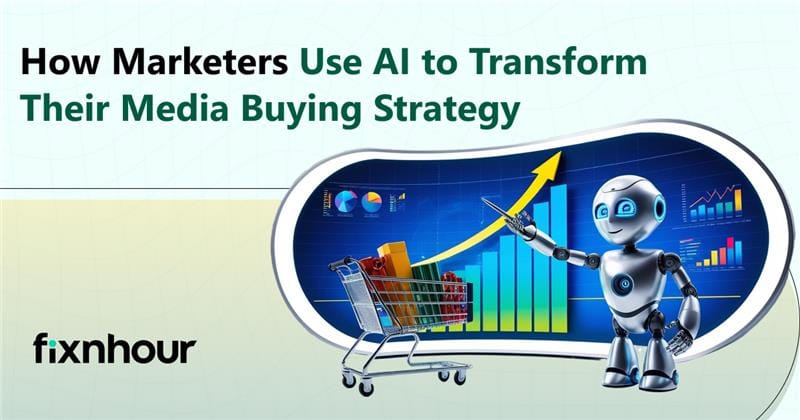
In today’s fast-moving digital world, AI in media buying is no longer a futuristic idea — it’s a powerful reality. Marketers are under constant pressure to deliver better ROI, smarter targeting, and real-time performance optimization. Traditional media planning methods can’t keep up with evolving consumer behavior, multi-channel campaigns, and massive data streams. That’s where AI-powered advertising steps in.
With artificial intelligence in advertising, brands can analyze audience data, predict buying intent, automate bidding, and optimize campaigns instantly. From programmatic advertising AI to advanced audience segmentation, AI helps marketers make smarter, data-driven decisions instead of relying on guesswork.
Today, an AI media buying strategy is transforming how businesses approach digital marketing. It’s not just about automation, it’s about precision, personalization, and performance. Marketers who embrace AI for digital marketing are gaining a clear competitive edge in an increasingly crowded marketplace.
The Evolution of AI in Media Buying
Traditional media buying relied heavily on manual negotiations, assumptions, and delayed performance reports. Today, automated media buying powered by AI analyzes millions of data points in seconds
-
Identify high-intent audiences instantly
-
Predict campaign performance before launch
-
Adjust budgets in real time
-
Optimize creatives based on engagement data
What Is an AI Media Buying Strategy?
An AI media buying strategy uses artificial intelligence to automate ad placements, analyze audience data, and optimize campaigns in real time. It helps marketers improve targeting, reduce costs, and maximize return on investment efficiently.
Smarter Audience Targeting with AI
AI analyzes user behavior, demographics, and online interactions to identify high-intent audiences. Instead of broad targeting, marketers can deliver personalized ads that truly connect and drive better engagement and conversions.
-
Behavior-based segmentation
-
Lookalike audience modeling
-
Real-time data analysis
Real-Time Bidding and Optimization
With programmatic advertising AI, campaigns adjust automatically based on performance data. AI optimizes bids, placements, and budgets instantly, ensuring every ad dollar works harder and improves overall ROI.
-
Automated bid management
-
Budget allocation optimization
-
Performance-based adjustments
Predictive Analytics for Better Decisions
AI-powered advertising uses predictive insights to forecast campaign outcomes. Marketers can anticipate trends, identify winning creatives, and make smarter strategic decisions before spending large budgets.
-
Trend forecasting
-
Conversion prediction
-
Data-driven planning
Enhanced Campaign Performance Tracking
AI tools provide deeper insights into campaign performance across channels. Marketers gain clear visibility into metrics, customer journeys, and attribution, helping refine strategies continuously.
-
Cross-channel tracking
-
Advanced attribution models
-
Actionable performance insights
Programmatic Advertising AI: Smarter, Faster, Better
Programmatic advertising AI is changing how brands reach their audience. Instead of manual ad buying, AI automates placements, optimizes bids in real time, and targets the right users instantly. It’s smarter with data, faster in execution, and better at delivering measurable results that truly impact ROI.
-
Real-time automated ad buying without manual effort
-
Smarter audience targeting using behavioral data
-
Instant bid adjustments for better cost efficiency
-
Improved ROI through continuous performance optimization
-
Cross-channel campaign management in one system
-
Data-driven insights for smarter marketing decisions
AI in Ad Optimization: Turning Data into Results
AI in ad optimization helps marketers move beyond guesswork and truly understand what works. By analyzing real-time data, user behavior, and engagement patterns, AI fine-tunes creatives, targeting, and budgets automatically. The result? Higher conversions, lower ad spend waste, and campaigns that continuously improve with every interaction.
Real-Time Performance Monitoring
AI continuously tracks campaign metrics and adjusts ads instantly to improve engagement, conversions, and overall performance across multiple digital channels.
-
Live campaign tracking
-
Instant performance adjustments
-
Multi-channel data insights
Creative and Content Optimization
AI analyzes which headlines, visuals, and formats perform best, helping marketers refine ad creatives for stronger audience engagement.
-
A/B testing automation
-
High-performing content identification
-
Engagement-based creative tweaks
Smart Budget Allocation
AI distributes ad budgets based on performance data, ensuring high-performing campaigns receive more investment for maximum ROI.
-
Automated budget shifting
-
Cost-per-conversion optimization
-
Waste reduction strategies
Key Benefits of AI for Digital Marketing Teams
AI empowers digital marketing teams to work smarter, not harder. From automating campaigns to analyzing customer behavior, AI improves efficiency and decision-making. It also helps brands adapt to evolving Brand Loyalty Trends, delivering personalized experiences that build trust, strengthen relationships, and drive long-term customer retention in competitive markets.
-
Speed: Campaigns launch faster with automated media buying
-
Precision: Hyper-targeted audience segmentation
-
Efficiency: Smarter budget allocation
-
Scalability: AI-powered advertising at the enterprise level
-
Insights: Real-time performance analytics
Challenges Marketers Must Consider
While AI offers powerful advantages, marketers must navigate data privacy concerns, rising ad costs, and algorithm transparency. Relying too heavily on automation can reduce human creativity and brand voice. Successful AI adoption requires the right tools, skilled teams, ethical data practices, and a balanced strategy that blends technology with human insight.Key considerations include:
-
Data privacy and compliance regulations
-
Over-reliance on automation tools
-
Lack of skilled AI marketing professionals
-
High initial investment and setup costs
-
Algorithm transparency and bias concerns
-
Maintaining human creativity and brand authenticity
The Future of AI in Media Buying
The future of AI in media buying is smarter, faster, and deeply personalized. As automation evolves, brands will rely more on predictive analytics, real-time optimization, and hyper-targeted campaigns. With an AI media buying strategy becoming essential, marketers who adapt early will fix their competitive edge and unlock stronger ROI through intelligent, data-driven advertising.
Predictive and Proactive Campaign Planning
AI will move beyond reactive optimization, helping marketers predict trends, audience behavior, and campaign outcomes before launching ads.
-
Trend forecasting models
-
Predictive audience insights
-
Pre-campaign performance simulations
Hyper-Personalization at Scale
Future AI media buying strategies will deliver highly personalized ads tailored to individual user preferences across platforms.
-
Dynamic creative optimization
-
Real-time content customization
-
Behavior-based targeting
Fully Automated Cross-Channel Advertising
AI will seamlessly manage campaigns across search, social, and display, ensuring consistent messaging and optimized performance everywhere.
-
Unified campaign dashboards
-
Automated budget distribution
-
Cross-platform performance tracking
key takeaways
-
AI in media buying streamlines campaign planning, saving time and reducing manual errors.
-
AI media buying strategy allows predictive targeting for higher engagement and conversions.
-
Artificial intelligence in advertising enables smarter budget allocation across channels.
-
AI-powered advertising delivers personalized ad experiences that resonate with audiences.
-
Programmatic advertising AI automates bidding and placement, maximizing ROI.
-
AI in ad optimization continuously improves campaign performance using real-time insights.
-
Machine learning in marketing provides actionable analytics, helping marketers make data-driven decisions.
Final Thoughts
AI is no longer optional in media buying — it’s essential. Brands that integrate AI in media buying, build a strong AI media buying strategy, and adopt artificial intelligence in advertising are transforming the way campaigns perform. By leveraging programmatic advertising AI, embracing AI-powered advertising, and using AI for digital marketing, businesses are optimizing every impression through automated media buying and advanced AI in ad optimization.
With the power of machine learning in marketing, brands are seeing stronger engagement, smarter budget allocation, improved targeting accuracy, and significantly higher ROI in today’s competitive digital landscape. A fixed-hour approach that ensures every campaign decision is data-driven, timely, and optimized for maximum results.
If your brand wants to stay competitive in 2026 and beyond, building a strong AI-powered advertising foundation, leveraging AI in media buying, programmatic advertising AI, and machine learning in marketing is the smartest move you can make. Contact us today to start optimizing your campaigns with cutting-edge AI for digital marketing and see measurable results.
Frequently Asked Questions
Q1. What is AI-driven media buying, and how does it work?
Ans. AI-driven media buying uses artificial intelligence to automate the process of purchasing digital ads. It analyzes audience behavior, predicts trends, and optimizes ad placements in real-time to maximize ROI. This reduces manual effort and ensures your ads reach the right audience at the right time.
Q2. How does AI improve targeting in media buying?
Ans. AI analyzes huge datasets, including user behavior, demographics, and engagement patterns. This helps marketers target audiences more precisely, avoid wasted spend, and personalize ad campaigns for better engagement and conversions.
Q3. Can AI help reduce media buying costs?
Ans. Yes! AI optimizes bids in real-time and identifies the most cost-effective ad placements. By eliminating guesswork and automating repetitive tasks, it ensures your budget is used efficiently, delivering higher ROI at lower costs.
Q4. What role does predictive analytics play in AI media buying?
Ans. Predictive analytics forecasts audience behavior and campaign performance using historical data. Marketers can anticipate which ads will perform best, adjust strategies proactively, and stay ahead of competitors in fast-moving markets.
Q5. How does AI personalize ad content for users?
Ans. AI analyzes user interactions and preferences to customize ad messaging, visuals, and placement. This ensures each user sees relevant content, increasing engagement, click-through rates, and conversions.
Q6. Is AI suitable for small businesses or only large enterprises?
Ans. AI-powered media buying is scalable. Small businesses can benefit from automated ad placements and cost optimization just like large enterprises. Affordable AI tools are now accessible, making it easier for businesses of any size to compete effectively.
Q7. What are the future trends of AI in media buying?
Ans. Future trends include hyper-personalized campaigns, voice and video ad optimization, real-time cross-channel bidding, and advanced audience segmentation. Marketers leveraging AI will stay ahead by making smarter, faster, and more data-driven decisions.