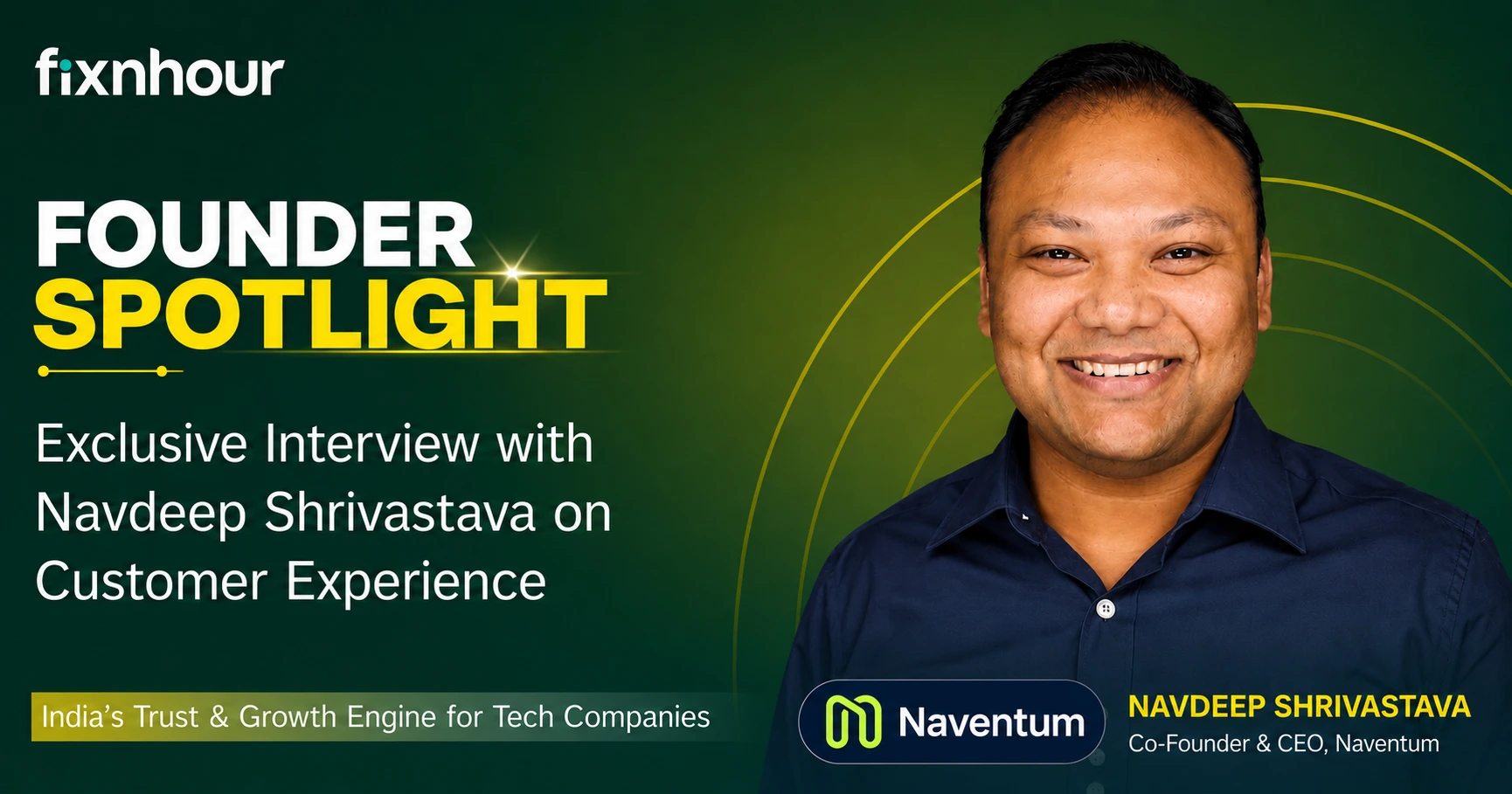
In today’s experience-driven economy, companies are discovering that customer experience is no longer just a support function; it's a vital driver of growth, loyalty, and long-term success. Products and services can be duplicated, but it’s often the feeling customers get when they encounter a brand that becomes the deciding factor in whether they stay, leave, or become loyal advocates.
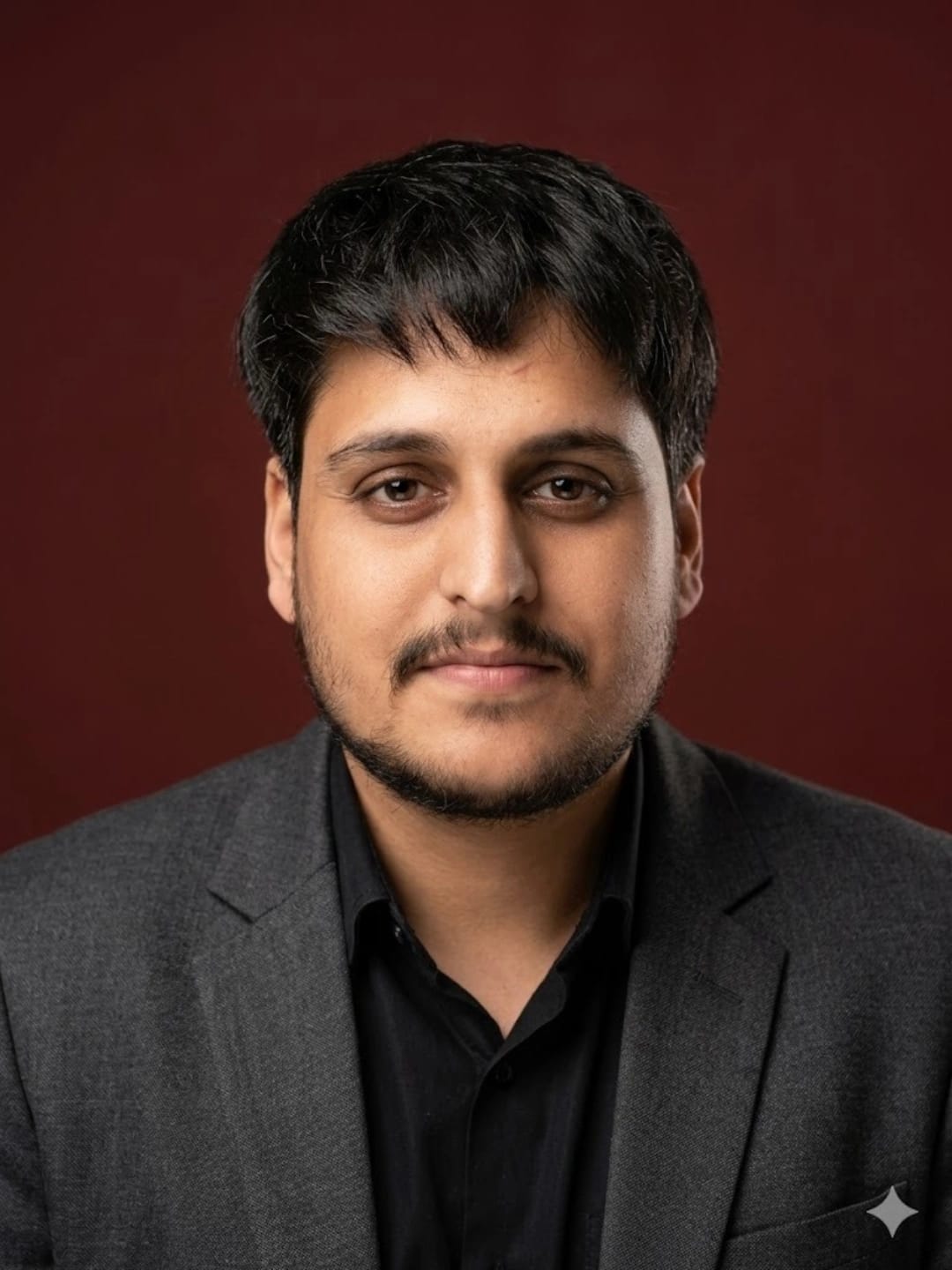
Navdeep Shrivastava is among the few professionals who know this better. Navdeep has spent over a decade building meaningful relationships between organizations and their customers through customer experience, marketing, leadership, operations, project governance, and brand strategy. He specializes in customer behavior, business process improvement, and experience design that leads to customer satisfaction and measurable business results
Who is Navdeep Shrivastava?
Navdeep has over a decade of experience across the disciplines of customer experience, marketing, leadership, project governance, operations, and brand strategy, and his career has been dedicated to helping organizations understand, improve, and transform the way they engage with customers.What sets his journey apart is the intersection of business growth and human behavior. While many leaders think only of acquisition, Navdeep thinks about what happens once customers enter the ecosystem. In his opinion, the true success of a business is not how many customers a business gets, but how many customers decide to stay, recommend, and grow with the brand.
Navdeep Shrivastava is among the very few professionals who realize this.Navdeep has over a decade of experience across the disciplines of customer experience, marketing, leadership, project governance, operations, and brand strategy, and his career has been dedicated to helping organizations understand, improve, and transform the way they engage with customers
Throughout his career, Navdeep has worked with Fortune 500 companies, government agencies, healthcare organizations, manufacturing companies, nonprofits, and technology firms. He has helped companies build customer-centric cultures, optimize processes, improve brand perception, and create scalable customer experience frameworks. As a founder, strategist, mentor, and storyteller, he looks at every business challenge through one key lens: the customer. He has helped organizations create deeper customer relationships and drive measurable business results by combining customer psychology, marketing strategy, brand positioning, and operational excellence. In this exclusive Founder Spotlight interview with Fixnhour, Navdeep shares his insights on customer experience, leadership, branding, storytelling, and the keys to creating businesses that customers truly love.
Q1. Every successful founder has a defining moment. What inspired you to start your entrepreneurial journey, and what problem were you determined to solve?
My entrepreneurial journey was inspired by years of working closely with businesses across industries and realizing that many organizations struggle not because they lack products or services, but because they lack clarity in how they communicate their value. I saw a gap between great ideas and the way those ideas were being positioned, marketed, and experienced by customers. When I founded Naventum, the goal was simple: help businesses find clarity in their story, build meaningful customer experiences, and create sustainable momentum. I wanted to bridge the gap between strategy, creativity, technology, and execution under one ecosystem.
Q2. Looking back at your journey, what were the biggest challenges you faced in the early days, and how did you overcome them?
The biggest challenge was stepping away from a stable corporate career into uncertainty. Entrepreneurship tests your patience, resilience, and belief in your vision every single day. In the early days, resources were limited, every decision carried weight, and building credibility took time. What helped me overcome those challenges was staying focused on relationships, consistently delivering value, and embracing the mindset that everychallenge is an opportunity to learn. I have always believed that persistence often outperforms talent when things get difficult.
Q3. What vision drives you today, and how has that vision evolved since you first started your business?
Initially, the vision was to build a consulting company that helped businesses grow. Today, the vision is much larger. I want to build an ecosystem where businesses, creators, students, entrepreneurs, and communities can come together to learn, collaborate, and create impact. Through initiatives like Naventum and ORYN Lab, we are investing in the Orange Economy, empowering people with skills, opportunities, and access to industry expertise. The focus has evolved from helping brands grow to helping people and ecosystems thrive.
Q4. In your opinion, what separates businesses that achieve sustainable growth from those that struggle to scale?
The businesses that scale successfully have clarity, consistency, and adaptability. They know who they serve, what they stand for, and why they matter. They invest in systems, processes, and people rather than chasing short-term wins. At the same time, they remain adaptable to changing customer expectations and market realities.Many businesses focus on growth. Sustainable businesses focus on building trust while growing.
Q5. Customer experience has become a major differentiator for brands. How can businesses create memorable experiences that build long-term customer loyalty?
Customer experience is not a department; it is a mindset. Memorable experiences happen when businesses pay attention to every interaction from the first impression to post-purchase engagement. Customers remember how a brand made them feel more than what it sold them. Businesses should focus on empathy, responsiveness, personalization, and consistency. When customers feel understood, valued, and respected, loyalty naturally follows.
Q6. As a marketing and brand strategist, what are the most common mistakes companies make when building their brand, and how can they avoid them?
One of the biggest mistakes is confusing branding with visual identity. A logo is important, but a brand is much more than design. Many companies also try to communicate with everyone instead of defining a clear audience and positioning. Another common mistake is inconsistency in messaging and customer experience. Brands become stronger when they invest in understanding their customers, defining their unique value proposition, and maintaining consistency across every touchpoint.
Q7. Can you share a project, campaign, or business success story that had a significant impact on your journey and taught you an important lesson?
One of the most impactful experiences in my journey has been building communities and social impact initiatives alongside business projects. Through collaborations with nonprofits, industry bodies, educational institutions, and corporate organizations, I witnessed how meaningful engagement can create far greater impact than traditional marketing alone. The biggest lesson was that people do not connect with products; they connect with purpose, stories, and experiences. That realization continues to shape how we approach branding, partnerships, and growth at Naventum.
Q8. How do you see technology, AI, and changing consumer behavior reshaping the future of marketing and customer engagement?
AI is transforming how businesses understand customers, create content, personalize experiences, and make decisions. However, technology alone will not be the differentiator. As AI makes content easier to create, authenticity, trust, creativity, and human insight will become even more valuable. Consumers are becoming more informed, selective, and experience-driven. The future belongs to organizations that combine technology with genuine human connection and purpose-driven storytelling.
Q9. What leadership principles have helped you build teams, inspire people, and navigate uncertainty as a founder?
Three principles have guided me consistently: Lead with TrustPeople perform best when they feel trusted and empowered. Stay Committed to LearningLeaders do not need all the answers, but they must remain curious and adaptable. Focus on People Before ProcessesStrong cultures are built when individuals feel valued, respected, and connected to a larger purpose. Leadership is ultimately about creating environments where people can do their best work and grow beyond their own expectations.
Q10. Many entrepreneurs focus on revenue growth. What other metrics or factors do you believe are equally important for long-term business success?
Revenue is important, but it is only one indicator. I pay close attention to customer retention, client advocacy, employee growth, community impact, brand reputation, and learning velocity. These factors often determine whether growth is sustainable. A healthy business is one that creates value not only for shareholders but also for customers, employees, partners, and the communities it serves.
Q11. What advice would you give to aspiring founders and business leaders who are currently at the beginning of their entrepreneurial journey?
Start before you feel ready. Many aspiring founders spend too much time waiting for perfect conditions. Entrepreneurship is a continuous process of learning, adapting, and improving. Build relationships, stay curious, listen to customers, and focus on solving real problems. Most importantly, remember that success is rarely overnight. Consistency, resilience, and integrity will take you further than shortcuts ever will.
Q12. Looking ahead, what is your vision for the future, and what kind of impact or legacy would you like to create through your work and business endeavors?
My vision is to build platforms, communities, and businesses that enable people to unlock their potential and create meaningful impact. Through Naventum, ORYN Lab, and future initiatives, I want to contribute to strengthening India's Orange Economy by empowering creators, entrepreneurs, students, and professionals with access to knowledge, mentorship, and opportunities. If I were to define the legacy I hope to leave behind, it would be this: Creating ecosystems where ideas become opportunities, people become leaders, and growth becomes a shared journey rather than an individual achievement. That, to me, is the true measure of success.uccess is not just about making money.It’s about creating value for people.
Last Words to Entrepreneurs and Business Leaders
Do not underestimate the power of listening.“Customers are always telling us what they need.Areas for improvement are continually being identified by employees.
Markets are always giving feedback. The successful organizations are those who are willing to listen, learn, and adapt.” Make your business about people. Invest in connections. The secret is experience. And remember, every interaction contributes to your brand story. Contact us today. Make it a good one.