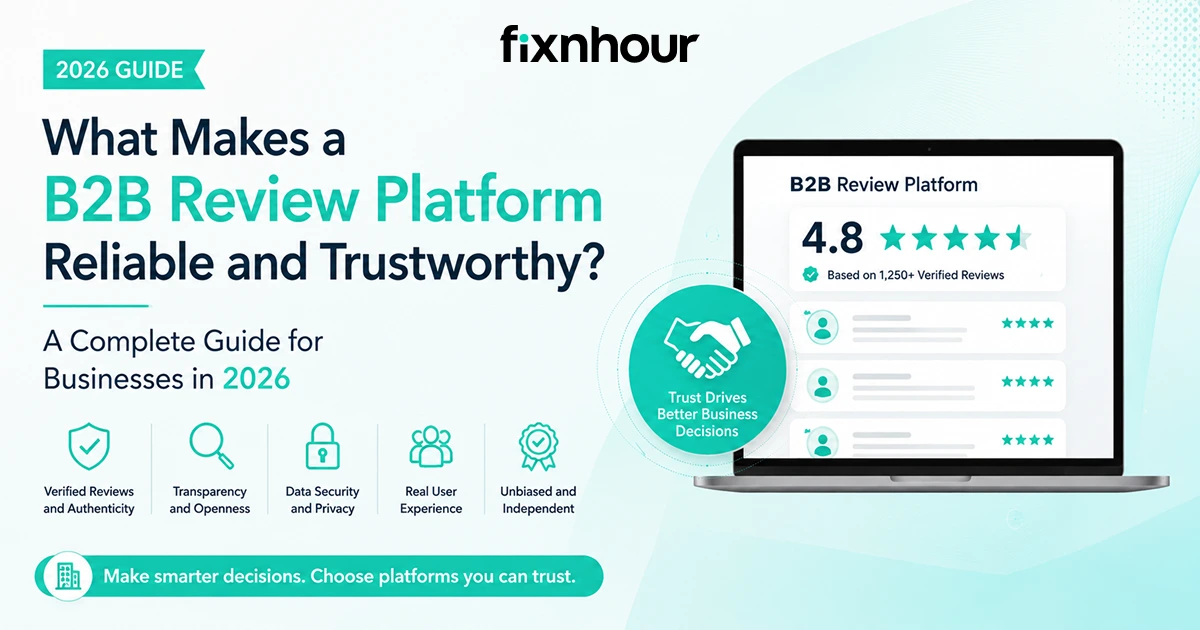
Choosing the right business partner has never been more important. Whether you're looking for a software development company, a digital marketing agency, an IT consultant, or a SaaS provider, the wrong decision can cost your business time, money, and growth opportunities. This is where B2B review platforms play a crucial role. They help businesses discover, compare, and evaluate service providers based on real customer experiences. However, not all review platforms are created equal. Some offer genuine insights, while others may contain outdated information, biased rankings, or even fake reviews. So, what makes a B2B review platform reliable and trustworthy? Let's explore the key factors businesses should consider before relying on any review website.
With the rise of fake reviews, biased ratings, and unverified listings, businesses must be more careful than ever when choosing where to source their information. A reliable B2B review platform goes beyond just collecting opinions—it ensures authenticity, transparency, and consistency in the feedback it publishes. It helps decision-makers separate genuine experiences from misleading claims. This guide explores the key factors that define a trustworthy B2B review platform in 2026, including verification processes, reviewer authenticity, moderation standards, and overall transparency. Whether you are a startup or an enterprise, understanding these elements will help you make smarter, safer, and more confident business decisions.
Why Are B2B Review Platforms Important for Modern Businesses?
Today's buyers conduct extensive research before making purchasing decisions. Most businesses prefer to compare multiple vendors, review client feedback, and evaluate expertise before signing a contract. Instead of relying solely on marketing claims, businesses can use customer feedback to understand how a company performs in real-world projects. B2B review platforms are essential for modern businesses as they provide authentic insights into service providers, helping companies make informed decisions. They build trust, reduce risks, and improve vendor selection by showcasing real customer experiences. These platforms also enhance transparency, support better partnerships, and save time in research, making them a key resource in today’s competitive business environment.
- Find verified service providers
- Compare companies based on ratings and reviews
- Reduce hiring risks
- Save research time
- Make informed business decisions
What Is a B2B Review Platform and How Does It Work?
A B2B review platform is an online marketplace where businesses can discover, evaluate, and connect with service providers across different industries. A B2B review platform is an online space where businesses share and evaluate their experiences with products, services, and vendors. It helps companies make informed decisions by offering real user feedback, ratings, and detailed reviews from other businesses.
These platforms work by allowing verified users to submit reviews after using a service or product. The reviews are then often moderated to ensure authenticity and remove spam or fake content. Some platforms also use verification systems, badges, and AI-based filtering to improve trust and accuracy. For businesses, these platforms act as a decision-making tool—helping them compare vendors, assess performance, and reduce risks before choosing a partner or service provider.
- Company profiles
- Customer reviews
- Ratings and rankings
- Service categories
- Portfolio information
- Industry expertise
Popular categories often include:
- Software Development
- Mobile App Development
- Web Development
- Digital Marketing
- Artificial Intelligence Services
- Cloud Consulting
- Business Consulting
Also Read: How to Identify Fake Reviews in B2B Platforms (2026 Guide)
What Makes a B2B Review Platform Truly Trustworthy?
A truly trustworthy B2B review platform is built on transparency, authenticity, and strong verification systems. It ensures that reviews come from real, verified business users rather than fake or biased sources, helping maintain credibility and fairness. Another key factor is strict moderation. Reliable platforms actively monitor reviews to filter spam, manipulate ratings, or promote content. They also maintain clear guidelines for reviewers and businesses to ensure consistency and honesty. Trustworthy platforms also provide detailed reviewer profiles, clear rating breakdowns, and unbiased presentation of both positive and negative feedback. Some even use AI tools and manual checks to detect fraudulent activity. Ultimately, a dependable B2B review platform helps businesses make confident decisions by delivering accurate, balanced, and transparent insights from real-world experiences.
Verified Reviews from Real Clients
The foundation of any reliable review platform is authenticity. A trustworthy platform ensures that reviews come from real customers who have actually worked with the company. Verified reviews provide accurate insights into project quality, communication, delivery timelines, and customer satisfaction. When reviews are verified, businesses can make decisions with greater confidence.
Transparent Rating Systems
A reliable review platform should clearly explain how ratings are calculated. Platforms that hide their ranking process often raise questions about credibility.
- Review criteria
- Scoring methodology
- Ranking factors
- Quality standards
Authentic Business Profiles
Trustworthy platforms encourage businesses to provide complete and accurate information. Detailed profiles help buyers evaluate vendors more effectively.
- Company overview
- Services offered
- Industry expertise
- Team size
- Portfolio examples
- Contact information
Strong Review Moderation
Fake reviews can damage the credibility of any platform. Effective moderation protects users and improves overall trust.
- Spam reviews
- Duplicate submissions
- Misleading content
- Fraudulent activity
Also Read: The Ultimate Checklist for Evaluating B2B Providers in 2026
How Do Reliable Platforms Verify Reviews?
Review verification is one of the strongest indicators of platform quality. Reliable B2B review platforms use multiple verification methods to ensure that reviews are genuine and trustworthy. One of the most common methods is user authentication, where reviewers must sign up using verified business emails, LinkedIn accounts, or company domains before they can submit feedback. Many platforms also verify transactions or service usage by confirming that the reviewer has actually engaged with the product or service. This may include purchase receipts, contract validation, or invitation-based review systems where only real clients can leave feedback.
Business Email Verification
Reviewers may be required to verify their identity through a professional business email address.
Project Validation
Some platforms ask reviewers to provide project details, contracts, invoices, or other proof of engagement.
AI-Based Fraud Detection
Advanced platforms use artificial intelligence to identify suspicious review patterns and fake activity.
Human Review Checks
Manual moderation helps ensure that submitted reviews meet platform standards and provide genuine value. Together, these processes help maintain review authenticity and platform integrity.
How Can Businesses Identify Fake Reviews?
Fake reviews remain a challenge across many online platforms. Businesses can identify fake reviews by carefully analyzing patterns, language, and reviewer behavior. One common sign is overly generic or exaggerated language that lacks specific details about the product or service experience. Fake reviews often sound too positive or overly negative without clear reasoning.
Another indicator is unusual activity patterns, such as multiple reviews posted in a short time frame from the same user or similar IP addresses. Reviews from newly created or incomplete profiles can also raise suspicion. Businesses should also rely on platforms with strong verification systems, as these reduce the chances of manipulated or fraudulent feedback. Combining careful review analysis with trusted platforms helps ensure more accurate decision-making.
Extremely Positive Reviews Without Details
Reviews that only say things like "Great company!" without mentioning specific projects often provide little value.
Large Number of Reviews Posted at Once
A sudden surge of reviews within a short period may indicate manipulation.
Repetitive Language
If multiple reviews use nearly identical wording, they may not be authentic.
Anonymous Reviewers
Verified customer information adds credibility. Anonymous reviews should be evaluated carefully.
Businesses should always look for detailed, balanced feedback rather than relying solely on star ratings.
Also Read: B2B Hiring Trends Report 2026: What Businesses Really Want
Essential Features of a Trusted B2B Review Platform
The best B2B review platforms typically include several important features. A trusted B2B review platform is built with features that ensure credibility, transparency, and ease of use. One of the most essential features is verified reviews, where only genuine users with real business interactions can share feedback, helping to eliminate fake or misleading content. Strong moderation systems are another key element. These systems detect spam, filter biased content, and maintain the overall quality and reliability of published reviews. Transparent rating structures also play a major role by breaking down feedback into specific categories like service quality, pricing, and support. Together, these features make a B2B review platform reliable, balanced, and valuable for businesses seeking informed decision-making insights.
Verified Business Listings
Companies should be screened before being listed on the platform.
Detailed Reviews
Users should be able to see meaningful feedback instead of generic ratings.
Advanced Search Filters
Businesses should easily filter providers by:
- Location
- Industry
- Budget
- Services
- Ratings
Transparent Ranking Methodology
Clear ranking systems improve trust and help users understand vendor visibility.
Updated Company Information
Regularly updated profiles ensure businesses are viewing accurate information.
Red Flags Businesses Should Avoid
Not every review platform provides reliable information. Businesses should watch out for several red flags when using B2B review platforms or analyzing customer feedback. One of the biggest warning signs is reviews that are overly generic, repetitive, or lack specific details about the actual experience. These often indicate fake or manipulated content.
Another concern is unusual review patterns, such as a sudden surge of positive or negative ratings within a short period. This may suggest review farming or coordinated posting from fake accounts. A lack of transparency is also a major issue. If a platform does not show verified reviewers, clear moderation policies, or detailed rating breakdowns, its credibility can be questionable. Similarly, profiles with little or no background information can reduce trust. By recognizing these red flags early, businesses can avoid misleading insights and make more reliable, data-driven decisions.
- No review verification process
- Hidden ranking criteria
- Outdated company profiles
- Excessive sponsored listings
- Only positive reviews with no balanced feedback
- Lack of moderation policies
Why Verified Reviews Influence B2B Buying Decisions
Trust plays a major role in every business purchase. Before hiring a service provider, companies want reassurance that others have had positive experiences. In many cases, genuine customer feedback carries more weight than traditional marketing messages. Verified reviews play a crucial role in shaping B2B buying decisions because they provide authentic, real-world insights from actual users. Unlike unverified feedback, they are backed by proof of usage or business interaction, which significantly increases trust and reliability.
Decision-makers in B2B environments often deal with high-value investments and long-term partnerships, where risk is a major concern. Verified reviews help reduce this uncertainty by offering transparent experiences related to product performance, service quality, and customer support. They also help businesses compare vendors more confidently by highlighting both strengths and weaknesses in a balanced way. When reviews are verified, buyers feel more secure that the feedback is not manipulated or biased.
- Reduce uncertainty
- Evaluate vendor performance
- Understand customer satisfaction
- Compare competitors objectively
- Make confident purchasing decisions
Also Read: Clutch Alternatives for Finding Trusted Service Providers in 2026
How Reliable Review Platforms Benefit Service Providers
Trustworthy review platforms don't just help buyers—they also benefit vendors. Reliable B2B review platforms offer significant benefits to service providers by enhancing their credibility and visibility in the market. Positive, verified reviews help build trust with potential clients, making it easier for businesses to attract new customers and close deals. These platforms also provide valuable feedback that helps service providers understand their strengths and identify areas for improvement. Constructive reviews act as a source of insight for refining products, services, and customer support strategies.
In addition, strong ratings and consistent positive feedback improve brand reputation and increase competitiveness in crowded markets. Service providers can also engage directly with reviewers, demonstrating responsiveness and commitment to customer satisfaction. Overall, reliable review platforms act as powerful tools for reputation building, customer acquisition, and continuous business improvement.
Increased Online Visibility
Verified listings often receive more visibility from potential clients.
Stronger Reputation
Positive customer reviews help establish authority and credibility.
Better Lead Quality
Businesses that discover vendors through trusted review platforms are often more qualified and ready to buy.
Long-Term Brand Trust
Consistent positive feedback creates lasting confidence among prospective customers.
Why Platforms Like Fixnhour Are Gaining Attention
Businesses today want more than just a directory—they want trusted recommendations. By helping businesses connect with reliable service providers, these platforms create a more trustworthy B2B ecosystem. Platforms like Fixnhour are gaining attention because they focus on transparency, trust, and verified business insights in an increasingly competitive digital market. Businesses today want more than just ratings—they want authentic, experience-based reviews that help them make confident decisions.
Fixnhour stands out by emphasizing verified feedback, clear evaluation criteria, and user-friendly access to business listings. This helps reduce fake reviews and ensures that companies receive reliable information before choosing a service provider. Another reason for its growing popularity is its ability to connect service providers with potential clients in a more structured and trustworthy environment. It supports better visibility for businesses while helping buyers compare options effectively.
- Verified business listings
- Genuine reviews and ratings
- Easy vendor discovery
- Transparent company profiles
- Simplified business comparison
Conclusion
In a world where business decisions increasingly begin online, trust is everything. A reliable B2B review platform should prioritize authenticity, transparency, verification, and user experience. Verified reviews, detailed company profiles, fair rankings, and strong moderation systems all contribute to a platform's credibility.
Before choosing a vendor, take the time to evaluate not only the company but also the platform providing the information. The more trustworthy the platform, the better your chances of finding the right business partner. When businesses make decisions based on genuine reviews and verified information, everyone benefits—from buyers seeking reliable partners to service providers building lasting reputations. Another reason for its growing popularity is its ability to connect service providers with potential clients in a more structured and trustworthy environment. It supports better visibility for businesses while helping buyers compare options effectively. As demand for credible B2B information grows, platforms like Fixnhour are becoming essential tools for smarter, safer, and more informed business decisions. Contact us today to learn more or get started with Fixnhour.
Frequently Asked Questions
Q1. How do B2B review platforms verify reviews?
Ans. B2B review platforms verify reviews using multiple security and authentication methods to ensure authenticity. They often require users to sign up with verified business emails, company domains, or professional accounts like LinkedIn. Many platforms confirm real interactions through purchase records, service usage data, or invitation-only review systems. Advanced AI tools help detect suspicious patterns such as duplicate submissions, fake accounts, or unnatural rating spikes. Manual moderation teams also review flagged content for accuracy. Some platforms even use time-based validation to ensure reviews are posted after genuine product or service experience, ensuring trustworthy and reliable feedback for businesses making decisions.
Q2. Why are verified reviews important?
Ans. Verified reviews are important because they ensure that the feedback comes from real customers who have actually used a product or service. This increases trust and credibility, helping businesses make more informed and confident decisions. In B2B environments, where investments are often high-value and long-term, verified reviews reduce the risk of misleading or fake information. They provide authentic insights into performance, reliability, customer support, and overall experience. Verified reviews also create transparency between buyers and service providers, ensuring fair evaluations. They help businesses compare options more accurately and avoid poor partnerships. Ultimately, verified reviews improve decision-making, build trust, and strengthen the overall reliability of B2B review platforms.
Q3. Can fake reviews affect business decisions?
Ans. Yes, fake reviews can significantly affect business decisions, especially in the B2B space, where choices often involve high-value investments and long-term partnerships. When decision-makers rely on misleading reviews, they may choose unreliable vendors or overlook better service providers. Fake positive reviews can create an inflated reputation, leading businesses to trust underperforming companies. On the other hand, fake negative reviews can unfairly damage a good provider’s credibility and result in lost opportunities. This misinformation increases risk, reduces trust in review platforms, and can lead to poor ROI and operational issues. It also makes it harder for genuine businesses to compete fairly in the market. That’s why using verified, well-moderated review platforms is essential to ensure accurate, unbiased, and reliable business decisions.
Q4. What should I look for in a trusted B2B review platform?
Ans. When choosing a trusted B2B review platform, look for verified reviews from real business users, as this ensures authenticity and reduces the risk of fake feedback. A reliable platform should have strong moderation systems that filter spam, biased, or promotional content to maintain quality and fairness. Transparency is another key factor—clear rating breakdowns, detailed reviewer profiles, and visible verification methods help build confidence. The platform should also allow businesses to respond to reviews, encouraging accountability and engagement. Additionally, check for advanced fraud detection tools, such as AI-based monitoring and activity tracking, which help identify suspicious patterns. A user-friendly interface and consistent review quality also indicate reliability. Overall, a trusted B2B review platform should prioritize accuracy, transparency, and user trust to support better business decisions.
Q5. Do B2B reviews influence purchasing decisions?
Ans. Yes, B2B reviews strongly influence purchasing decisions because they provide real-world insights into a product or service before a business commits to a purchase. Decision-makers often rely on peer experiences to evaluate reliability, performance, pricing, and customer support. In the B2B space, where investments are usually high-value and long-term, reviews help reduce risk and uncertainty. Verified and detailed feedback allows buyers to compare vendors more confidently and choose solutions that best fit their needs. Positive reviews can build trust and accelerate the buying process, while negative or inconsistent feedback may discourage potential clients. They also help businesses shortlist providers more efficiently. Overall, B2B reviews play a key role in shaping perception, building trust, and directly impacting purchasing decisions.
Q6. How can I identify a fake review?
Ans. You can identify a fake review by looking for certain warning signs in the content and behavior of the reviewer. One common indicator is overly generic language that lacks specific details about the product or service experience. Fake reviews often sound exaggerated, either extremely positive or overly negative, without clear reasoning. Another red flag is repetitive wording or similar phrases appearing across multiple reviews. Reviews posted in a short time frame or from newly created profiles with little history can also be suspicious. Genuine reviews usually include balanced opinions, real use cases, and specific feedback. In contrast, fake reviews often feel emotional, vague, or promotional. By carefully analyzing these patterns and relying on verified review platforms, businesses can better avoid misleading information and make more accurate decisions.
Q7. What are the benefits of using a B2B review platform?
Ans. Using a B2B review platform offers several benefits for both buyers and service providers. For businesses looking to purchase services, it provides access to real, verified feedback from other companies, helping them make informed and risk-free decisions. It reduces uncertainty by showcasing genuine experiences related to product quality, pricing, and customer support. For service providers, these platforms help build credibility, improve brand reputation, and attract new clients through positive reviews. They also offer valuable insights into customer expectations and areas for improvement. Additionally, B2B review platforms save time by allowing quick comparison between multiple vendors in one place. They enhance transparency, build trust, and support smarter, data-driven decision-making. Overall, they act as a powerful tool for improving business relationships and ensuring better outcomes for all parties involved.