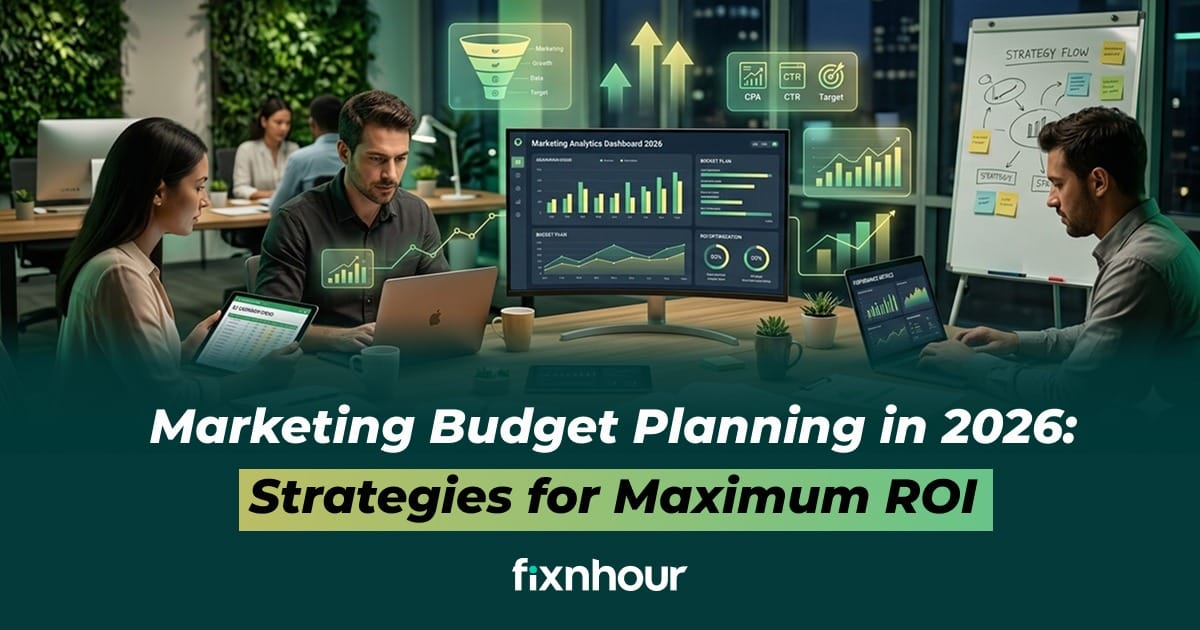
In today’s fast-paced business environment, marketing budget planning is no longer just about numbers—it’s about strategy, efficiency, and maximizing ROI. As we step into 2026, organizations of all sizes are reevaluating how they allocate marketing resources. From small businesses to multinational corporations, the goal is clear: spend smarter, not just more. With emerging technologies, evolving consumer behavior, and a shift toward data-driven decision-making, crafting a well-planned marketing budget is crucial for sustainable growth.
Whether you’re a marketing manager, business owner, or CMO, understanding the latest trends, tools, and best practices in marketing budget planning 2026 can help you make smarter investments and achieve measurable results.
Factors Influencing Your Marketing Budget
Understanding the key factors influencing your marketing budget is crucial for maximizing ROI. Businesses must consider audience targeting, campaign goals, and seasonal trends while integrating an AI media buying strategy. Leveraging AI optimizes ad spend, improves campaign efficiency, and ensures smarter budget allocation for sustainable growth.
Business Goals and Objectives
Your budget should support both short-term and long-term business goals. For instance:
-
Launching a new product or service may require higher digital ad spend.
-
Expanding into a new market might involve more event marketing or localized campaigns.
-
Revenue targets should directly influence your marketing allocation to ensure your campaigns drive measurable growth.
Industry Trends and Competition
Benchmarking against competitors and industry standards ensures your budget is competitive and relevant.
-
Analyze where competitors invest in marketing and identify gaps or opportunities.
-
Stay updated on trends like influencer marketing, video content, and experiential campaigns, which can shape how much you allocate.
Customer Behavior and Market Research
Understanding your audience is critical to allocating your marketing budget effectively.
-
Invest in data analytics to track customer behavior across channels.
-
Use insights from surveys, focus groups, and social listening to prioritize channels that generate the highest engagement.
Steps to Create an Effective Marketing Budget
Creating an effective marketing budget begins with analyzing past performance and setting clear objectives. Allocate resources wisely across channels while keeping customer engagement in mind. Incorporate brand loyalty strategies to strengthen long-term relationships and maximize ROI. Regularly review and adjust your budget to respond to market changes and ensure sustainable business growth.
Analyzing Past Marketing Performance
Analyzing past marketing performance helps identify successful campaigns and areas for improvement. Tracking metrics, customer behavior, and ROI enables informed decisions, optimizing future strategies for growth and better results.
-
Identify high-performing campaigns to scale.
-
Cut spending on channels or initiatives that underperform.
-
Use ROI metrics, conversion rates, and customer acquisition costs to guide decisions.
Allocating Budget Across Channels
Diversification is key. Focus on both digital and traditional channels:
-
Digital channels: SEO, PPC, social media ads, email marketing, content marketing.
-
Traditional channels: Print, TV, radio, events, sponsorships.
-
Allocate funds based on expected ROI, target audience reach, and engagement potential.
Setting Contingency and Flexibility
Setting contingency and flexibility ensures your marketing budget can adapt to unexpected changes, market shifts, and new opportunities efficiently.
-
Reserve a portion for unexpected opportunities, such as viral campaigns or trending social media moments.
-
Plan for seasonal variations, market shifts, or sudden changes in customer behavior.
-
Ensure contingency funds can be deployed quickly to capitalize on high-impact opportunities.
Leveraging Technology and AI in Budget Planning
Leveraging technology and Artificial Intelligence in budget planning transforms how businesses allocate marketing resources. AI analyzes data, predicts trends, and optimizes ad spend, ensuring smarter decisions. By automating routine tasks and providing actionable insights, companies can create more efficient, flexible budgets that maximize ROI and support strategic growth in a rapidly evolving digital landscape.
-
AI-powered analytics: Predict campaign success, optimize ad spend, and identify the highest ROI channels.
-
Marketing automation tools: Automate email campaigns, social media posting, and customer segmentation to save time and resources.
-
Predictive modeling: Anticipate market trends and customer behavior to allocate budget efficiently.
-
Real-time dashboards: Track spend and performance instantly, allowing adjustments on the fly.
Future Trends in Marketing Budget Planning
Future trends in marketing budget planning emphasize data-driven strategies, personalized campaigns, and digital transformation. Businesses must address brand trust issues by investing in transparent communication, ethical marketing, and customer-centric initiatives. Allocating budgets to AI tools, social engagement, and loyalty programs helps build credibility, ensuring long-term growth while navigating evolving consumer expectations and market dynamics.
| Trend | Description | Impact on Marketing Budget |
|---|---|---|
| Data-Driven Strategies | Using analytics to guide decisions | Allocates funds to high-performing campaigns for better ROI |
| AI & Automation | Leveraging AI for insights and campaign optimization | Reduces waste, increases efficiency, and informs flexible budgeting |
| Personalized Campaigns | Tailoring messages to individual customer needs | Requires investment in segmentation tools and content creation |
| Addressing Brand Trust Issues | Transparent and ethical marketing practices | Directs budget to initiatives that strengthen credibility and loyalty |
| Social Engagement & Loyalty Programs | Focus on building long-term relationships | Shifts spend from acquisition-only to retention-focused strategies |
| Digital Transformation | Embracing new digital channels and technologies | Reallocates budget toward innovative platforms and emerging trends |
Conclusion
Effective marketing budget planning in 2026 is about more than just allocating dollars—it’s about strategic investment, smart use of technology, and continuous optimization. Businesses that embrace AI, data-driven insights, and performance-based strategies will see the highest ROI. By understanding your goals, monitoring performance, and adapting to emerging trends, you can ensure your marketing spend is both efficient and impactful.
Start planning today, invest wisely, and watch your marketing efforts drive measurable growth in 2026. Contact us today to create a customized marketing budget strategy that maximizes ROI and future-proofs your business.
Frequently Asked Question
Q1. What is marketing budget planning, and why is it important in 2026?
Ans. Marketing budget planning is the process of allocating resources across channels to achieve business goals efficiently. In 2026, it’s crucial for maximizing ROI, leveraging AI insights, and stay competitive in a rapidly evolving market.
Q2. How much should a business allocate for marketing in 2026?
Ans. Marketing budgets typically range from 5% to 15% of annual revenue, depending on industry and growth goals. In 2026, businesses are prioritizing digital marketing, AI tools, and performance-driven campaigns to ensure every rupee spent delivers measurable results.
Q3. Which marketing channels offer the highest ROI in 2026?
Ans. Digital channels like SEO, social media ads, PPC, and email marketing lead in ROI. However, combining them with strategic offline efforts like events or brand campaigns often delivers the best overall impact.
Q4. How can AI and automation help in marketing budget planning?
Ans. AI tools analyze past campaigns, predict trends, and optimize spend in real-time. Automation saves time, improves targeting, and ensures budget allocation aligns with high-performing channels, increasing overall ROI.
Q5. What are the key metrics to track marketing spend effectiveness?
Ans. Track ROI, conversion rates, CPA (Cost Per Acquisition), CPC (Cost Per Click), and customer lifetime value. Monitoring these metrics ensures that every budget allocation contributes to growth and efficiency.
Q6. How can small businesses optimize their marketing budget in 2026?
Ans. Small businesses can focus on high-impact digital channels, leverage low-cost content marketing, and adopt AI-powered tools to maximize efficiency. Setting flexible budgets allows them to respond to market trends and opportunities quickly.
Q7. What future trends should marketers consider for budget planning?
Ans. Emerging trends include AI-driven analytics, performance-based marketing, personalization, omnichannel strategies, and socially responsible campaigns. Planning for these trends ensures your budget remains effective and forward-looking.