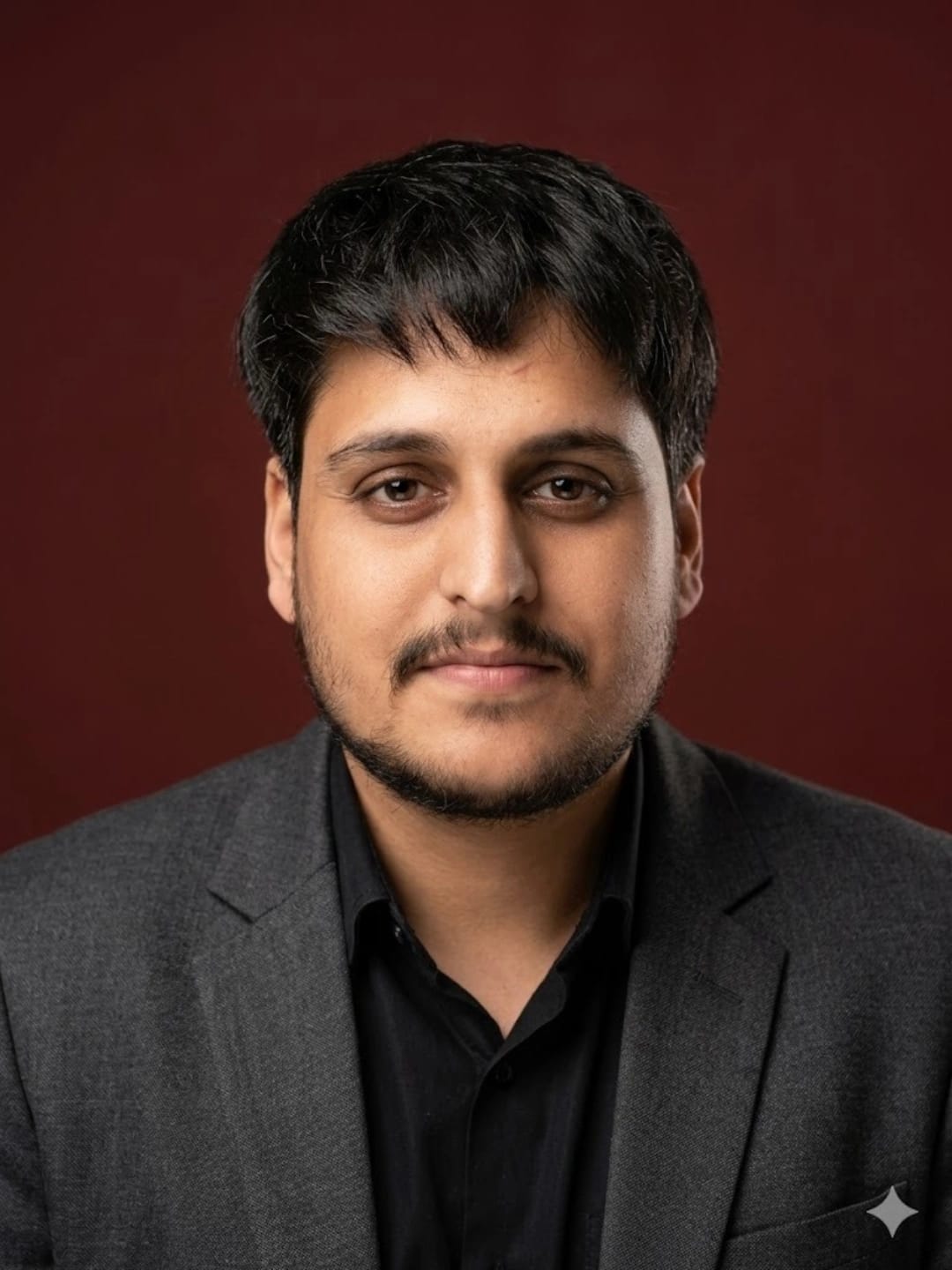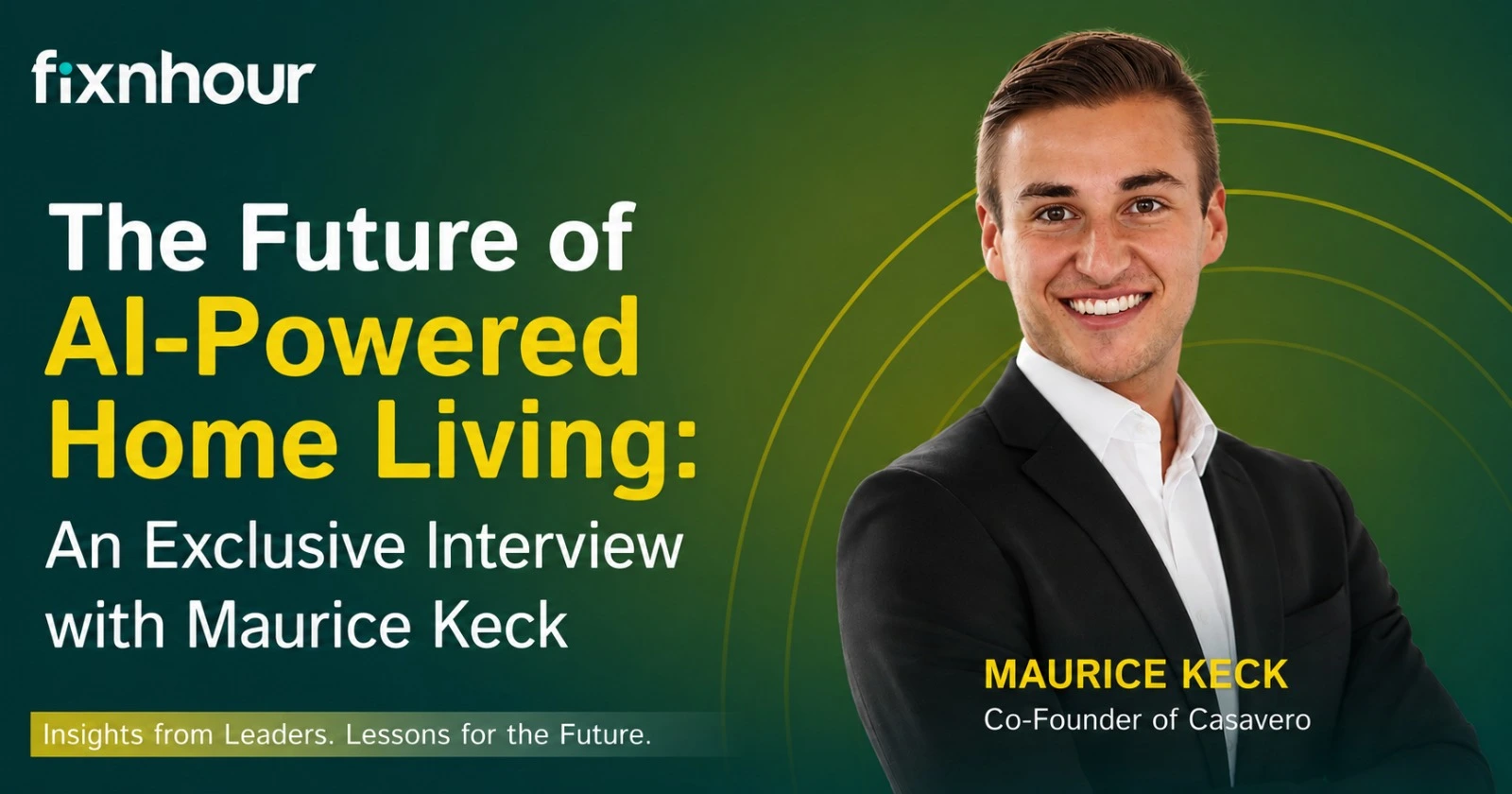
In an era where artificial intelligence is rapidly transforming industries, businesses often face a critical challenge: how to leverage technology without losing the human element. Few entrepreneurs understand this balance better than Maurice Keck, co-founder of Casavero.Maurice is a business leader, strategist, and innovator who has spent his career helping organizations improve customer experiences through technology, operational excellence, and digital transformation. From managing large-scale CRM implementation projects across more than 25 countries to contributing to the growth of BYD Germany one of the world's leading pioneers in electromobility and sustainable innovation His professional journey has always revolved around one central theme: creating meaningful impact through innovation.His leadership capabilities and strategic thinking earned international recognition when he became the runner-up for the prestigious WCIB Lombard Prize in London in 2021.
However, Maurice's entrepreneurial vision extends beyond technology. He believes technology should make people's lives simpler, more beautiful, and more meaningful. This belief ultimately inspired the creation of Casavero, an AI-powered home shopping platform designed to transform how people discover, design, and furnish their living spaces.At Casavero, Maurice and his team are redefining the traditional home shopping experience through intelligent personalization, helping customers transform inspiration into reality. Their mission is clear and powerful: to make living dreams come true.By combining artificial intelligence with emotional intelligence, Casavero is creating an entirely new category of customer experience where technology understands not only what customers need but also what they aspire to create.
Q1. Maurice, who are you beyond the title of Co-Founder at Casavero?
At my core, I am someone who is fascinated by human behavior, innovation, and problem-solving.
Throughout my career, whether working in operations, digital transformation, customer experience, or entrepreneurship, I have always been driven by a desire to create positive change.
I believe technology should empower people rather than overwhelm them. Too often, innovation focuses solely on efficiency and automation while forgetting the emotional and human aspects of life.
For me, the most meaningful innovations are those that improve everyday experiences.
I am passionate about helping people make better decisions, achieve greater confidence, and experience more joy in their lives.
That passion ultimately became the driving force behind Casavero.
Q2. What inspired you to transition from global leadership roles into entrepreneurship?
Working with international organizations taught me valuable lessons about scale, innovation, and customer experience.
However, entrepreneurship offers something unique the ability to create entirely new solutions from the ground up.
While leading transformation projects and managing operations, I constantly observed opportunities to improve customer experiences.
Eventually, I reached a point where I wanted to build something that reflected my own vision.
I wanted to create a company that combined technology, creativity, and human-centered design.
Casavero became that opportunity.
Entrepreneurship allowed me to move beyond improving existing systems and instead create a completely new experience for customers.
Q3. What problem convinced you there was a need for Casavero?
The home shopping experience was the catalyst.
Buying furniture, decorating rooms, and designing living spaces should be exciting experiences. Yet for many people, the process becomes stressful and overwhelming.
Customers often spend hours browsing websites, comparing products, researching styles, and second-guessing decisions.
There was a clear gap between inspiration and execution.
People knew how they wanted their homes to feel but struggled to identify the products and combinations needed to achieve that vision.
We realized Artificial Intelligence could bridge that gap.
That insight became the foundation of Casavero.
Q4. Casavero's mission is to "Make Living Dreams Come True." What does this mission mean to you personally?
For me, a home is much more than a physical space.
It is where people build memories, celebrate milestones, raise families, and find comfort.
A well-designed home can positively impact productivity, happiness, creativity, and overall well-being.
When we help someone create a living space they truly love, we are contributing to something deeply meaningful.
Our mission reflects the belief that everyone deserves a home that aligns with their personality, aspirations, and lifestyle.
Making living dreams come true means helping people transform ideas into reality.
Q5. How is Artificial Intelligence transforming the future of home shopping?
Artificial Intelligence is fundamentally changing how consumers discover and evaluate products.
Traditionally, consumers had to search through endless catalogs and make decisions with limited guidance.
AI changes this dynamic by understanding preferences, analyzing behavior, and generating personalized recommendations.
Instead of forcing customers to navigate complexity, AI simplifies decision-making.
At Casavero, we use AI to understand customer preferences and provide highly relevant recommendations that save time while increasing confidence.
The result is a shopping experience that feels intelligent, intuitive, and personalized.
Also Read: Exclusive Interview: Sandeep Yadav on Fixnhour’s Growth & Future Plans
Q6. Why do you emphasize Emotional Intelligence alongside Artificial Intelligence?
Because homes are emotional.
People do not buy furniture solely based on specifications.
They choose products based on feelings, aspirations, memories, and personal identity.
Artificial Intelligence excels at analyzing data, but Emotional Intelligence helps us understand why people make certain decisions.
The most powerful customer experiences emerge when both elements work together.
That is why Casavero combines advanced technology with a deep understanding of human psychology and design preferences.
Q7. What are the biggest mistakes traditional retailers make?
Many retailers focus heavily on products but not enough on customer journeys.
Customers do not wake up wanting a specific sofa or dining table. They want a beautiful home.
Retailers often organize experiences around inventory rather than customer aspirations.
The future belongs to businesses that focus on outcomes rather than products.
Companies must understand the emotional goals behind purchasing decisions.
When businesses solve problems rather than simply selling products, customer satisfaction increases dramatically.
Q8. What lessons did you learn from leading CRM projects across 25+ countries?
One important lesson is that customer expectations are surprisingly universal.
Regardless of geography, people want simplicity, trust, transparency, and personalization.
Another lesson is that technology should always support human experiences.
The best systems are often invisible because they make interactions effortless.
Customer-centricity is not a department. It is a mindset that must be embedded throughout an organization.
Q9. How do you see personalization shaping the future of commerce?
Personalization will become one of the defining factors of successful businesses.
Consumers increasingly expect brands to understand their preferences and deliver relevant experiences.
Generic experiences will gradually become obsolete.
The companies that can deliver meaningful personalization while maintaining trust and privacy will create enormous competitive advantages.
AI will make personalization more scalable, accurate, and impactful than ever before.
Q10. What leadership principles have shaped your career?
Trust, accountability, and continuous learning.
Leadership is not about having all the answers. It is about creating environments where people can innovate, collaborate, and grow.
I believe strong leaders remain curious and adaptable.
The world changes rapidly, and leaders must evolve alongside it.
The most successful organizations are those that continuously learn and improve.
Q11. What achievement are you most proud of?
Awards and professional recognition are meaningful, but I am most proud of the impact we create.
Whether leading international transformation projects or building Casavero, my greatest satisfaction comes from seeing people benefit from our work.
Creating value for customers, helping teams succeed, and contributing to innovation are achievements that remain meaningful regardless of titles or accolades.
Q12. What challenges do AI startups face today?
The opportunities are enormous, but so are the responsibilities.
AI startups must balance innovation with ethics, speed with reliability, and automation with trust.
Another challenge is education.
Many people still misunderstand what AI can and cannot do.
Successful companies will focus on solving practical problems rather than simply promoting technology.
Customers care about outcomes, not algorithms.
Q13. How important is responsible AI?
Responsible AI is absolutely essential.
As technology becomes more powerful, businesses must ensure transparency, fairness, privacy, and accountability.
Trust will become one of the most valuable currencies in the AI era.
Organizations that prioritize ethical practices will build stronger and more sustainable relationships with customers.
Q14. How has Fixnhour helped your business?
I appreciate platforms that focus on trust, transparency, and credibility.
What stands out about Fixnhour is its ability to bring together company profiles, founder stories, reviews, and business insights in one place.
When evaluating potential partners, I always look for credibility indicators.
Being able to review company profiles, understand founder backgrounds, and evaluate customer feedback helps build confidence before initiating business discussions.
I have explored the platform and found it valuable for discovering businesses and understanding their strengths.
I believe platforms like Fixnhour play an important role in helping companies improve visibility while strengthening trust within the business ecosystem.
Q15. What is your vision for Casavero over the next five years?
Our vision is ambitious but clear.
We want Casavero to become the world's most trusted AI-powered home shopping platform.
We aim to eliminate complexity from the home design journey and empower people to create spaces that truly reflect who they are.
By combining Artificial Intelligence, design expertise, and customer-centric experiences, we believe we can redefine how people shop for their homes.
The opportunity ahead is enormous, and we are just getting started.
Key Takeaways from Maurice Keck
* Technology should make life more human.
* AI is most powerful when combined with emotional intelligence.
* Customer experience remains the ultimate differentiator.
* Trust will define the future of AI.
* Innovation succeeds when it solves real problems.
* Homes are emotional spaces, not just physical environments.
Final Message from Maurice Keck
"The future belongs to organizations that use technology to empower people, not replace them. Innovation should create trust, simplify complexity, and improve lives. If we keep the human experience at the center of every technological advancement, we can build solutions that truly make a difference.
At our organization, we remain committed to developing technology-driven solutions that create meaningful impact while fostering trust, efficiency, and long-term value. For more information about our services, partnerships, or business opportunities, Contact Us today and discover how we can help transform your vision into reality.