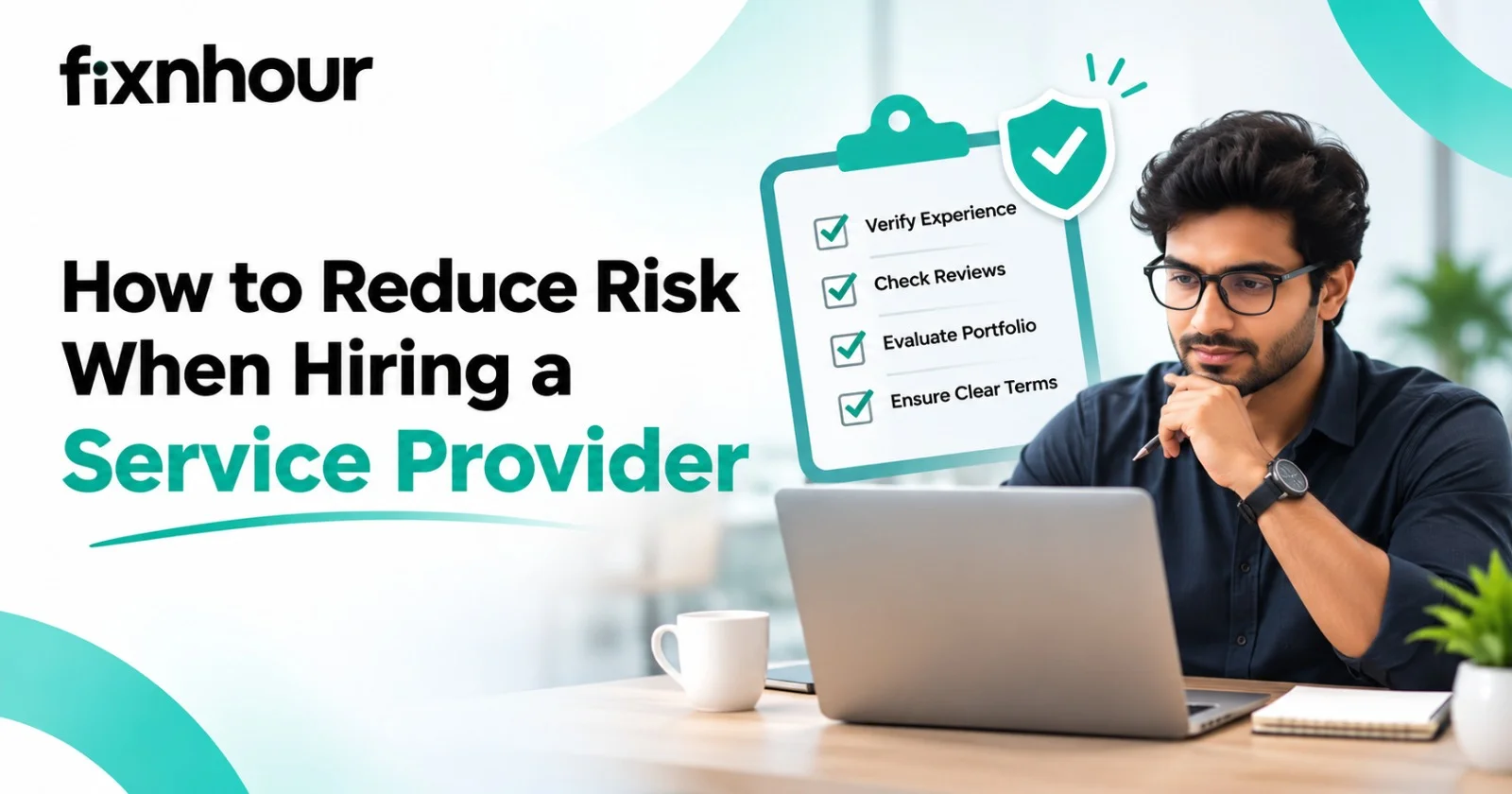
Hiring a service provider can help businesses access specialized expertise, improve operational efficiency, and complete projects without expanding internal teams. However, selecting the wrong provider can result in financial losses, missed deadlines, poor service quality, data security risks, and contractual disputes. Businesses can reduce these risks by researching company backgrounds, verifying business information, reviewing client feedback, comparing service capabilities, and establishing clear agreements before making a hiring decision.
Whether hiring an IT company, software development agency, marketing consultant, or outsourcing partner, proper vendor evaluation is essential for successful collaboration. A structured selection process helps businesses assess potential providers, identify possible risks, compare suitable options, and make informed decisions. By conducting thorough research and setting clear expectations, businesses can build reliable professional relationships and support long-term business goals.
Quick Answer
Businesses can reduce hiring risks by conducting vendor due diligence, verifying company credentials, reviewing portfolios, checking client references, comparing pricing, and assessing security practices. Platforms like Fixnhour help businesses discover, research, and compare B2B service providers through detailed company profiles, making it easier to evaluate potential vendors before making hiring decisions. Clear contracts, defined project milestones, transparent communication, and continuous performance monitoring further help prevent financial losses, project delays, and service-related problems.
Key Takeaways
- Research potential service providers before making hiring decisions.
- Verify company details, business credentials, and professional information.
- Evaluate industry experience, technical expertise, and previous projects.
- Review client testimonials, references, and available customer feedback.
- Compare pricing, project proposals, timelines, and contract conditions.
- Assess cybersecurity, confidentiality, and regulatory compliance.
- Establish clear deliverables, responsibilities, and performance expectations.
- Monitor provider performance throughout the business relationship.
What Does Reducing Risk When Hiring a Service Provider Mean?
Reducing risk when hiring a service provider means identifying potential problems before entering a business relationship and taking appropriate steps to prevent or minimize them. Effective vendor risk management involves evaluating a company's credibility, expertise, financial expectations, security practices, and ability to deliver agreed services. Proper vendor due diligence helps businesses understand potential concerns before committing resources or sharing sensitive information.
Understanding Service Provider and Vendor Risks
Service provider and vendor risks refer to potential issues that may negatively affect business operations, finances, data security, or project outcomes. These risks can arise from inexperienced providers, unclear agreements, poor communication, insufficient resources, or weak security practices. Identifying these concerns early helps businesses make safer hiring decisions.
Why Is Vendor Due Diligence Important?
Vendor due diligence helps businesses evaluate a service provider's credibility, experience, financial expectations, and operational capabilities before entering a partnership. Reviewing company information, client references, certifications, contracts, and security practices allows decision-makers to identify potential concerns, compare suitable providers, and make more informed hiring decisions.
What Are the Most Common Risks of Hiring the Wrong Service Provider?
Hiring an unsuitable service provider can create problems that extend beyond a single project. A business may experience unexpected expenses, operational interruptions, customer dissatisfaction, or data exposure. Reviewing service provider reviews helps decision-makers understand client experiences, identify potential warning signs, and assess common vendor risks early. This allows businesses to establish appropriate safeguards before signing agreements or sharing access to business resources.
Financial Losses and Unexpected Service Costs
Hiring a service provider without understanding the complete pricing structure can create unexpected financial pressure. Hidden charges, additional service fees, maintenance expenses, and project scope changes may increase overall costs. Businesses should request detailed quotations, clarify payment terms, and review all potential expenses before signing agreements.
Poor Service Quality and Missed Deadlines
Service providers lacking relevant experience, skilled professionals, or sufficient resources may struggle to meet project expectations. Poor-quality deliverables, repeated revisions, and missed deadlines can disrupt business operations and increase project costs. Businesses should evaluate previous projects, technical capabilities, and delivery processes before selecting a provider.
Data Breaches and Cybersecurity Vulnerabilities
Working with external service providers may involve sharing confidential business information, customer records, or access to internal systems. Inadequate security controls can expose sensitive data to unauthorized access, cyberattacks, or misuse. Businesses should review cybersecurity policies, data protection practices, access permissions, and confidentiality agreements before hiring.
Communication and Legal Risks
Poor communication and unclear contractual terms can create misunderstandings between businesses and service providers. Disagreements may arise over project responsibilities, payment schedules, delivery timelines, intellectual property, or confidentiality requirements. Businesses should establish clear communication channels, document expectations, and review contractual obligations before beginning any professional engagement.
How to Evaluate and Verify a Service Provider Before Hiring
Evaluating a service provider requires more than reviewing its website or sales presentation. Businesses should examine available company information, professional experience, previous projects, customer feedback, and relevant credentials while looking for potential digital agency red flags, such as unclear service offerings, unrealistic promises, or inconsistent business information. Combining these checks helps decision-makers understand whether a provider has the capabilities and professional presence needed to support their business requirements.
Check Company Background and Business Registration
Start by confirming the provider's official business identity and contact information.
- Check the registered or officially stated business name.
- Review its website and professional contact details.
- Verify its business address where applicable.
- Look for consistent company information across online platforms.
Review Experience, Expertise, and Previous Projects
Evaluate the provider's industry experience, technical expertise, service capabilities, and completed projects before making a hiring decision. Review its portfolio and case studies to understand the quality of previous work. Ask for relevant project examples that demonstrate its ability to handle your business requirements.
Analyze Client Reviews and References
Client reviews and professional references provide valuable insights into a service provider's reliability, communication, and service quality. Read customer testimonials across different platforms and look for consistent feedback. Whenever possible, contact previous clients to understand their experience, project outcomes, and overall satisfaction.
Check Certifications and Compliance
Review the service provider's relevant certifications, industry standards, regulatory compliance, and security documentation before entering a business relationship. These credentials can help demonstrate professional qualifications and adherence to applicable requirements. Always verify important certifications and confirm that they are valid and relevant to the services offered.
Use B2B Business Directories and Comparison Platforms
B2B business directories and comparison platforms help businesses discover, research, and evaluate potential service providers in one place. Buyers can explore company profiles, service offerings, industry expertise, and available business information. Comparing multiple providers makes it easier to identify suitable companies and build an informed shortlist.
What Are the Benefits of Proper Service Provider Risk Management?
Proper service provider risk management helps organizations make better hiring decisions while protecting important business resources. Evaluating providers through company information, customer feedback, and verified reviews before entering an agreement improves transparency and supports more realistic expectations. It also encourages accountability throughout the working relationship, helping businesses manage potential challenges and maintain consistent service delivery as their requirements change.
Better Business and Financial Protection
Evaluating service providers before hiring helps businesses identify potential financial and operational risks early. Reviewing proposals, comparing pricing, and understanding contract conditions can prevent unexpected expenses, reduce financial losses, and support better budget planning throughout the project.
Improved Service Quality and Project Delivery
Selecting service providers with relevant industry experience, technical expertise, and proven capabilities helps businesses achieve their project objectives. Evaluating previous work and delivery processes also reduces the likelihood of poor-quality results, unnecessary rework, and project delays.
Stronger Business Relationships and Accountability
Establishing clear responsibilities, transparent communication, and measurable performance expectations creates stronger professional relationships. Regular discussions and progress reviews help both parties understand their obligations, resolve issues quickly, maintain accountability, and improve overall service delivery.
More Confident Vendor Selection
Researching company profiles, portfolios, customer reviews, and professional credentials helps businesses understand potential providers before making commitments. Comparing multiple companies using consistent evaluation criteria allows decision-makers to create informed shortlists and select providers aligned with their requirements.
How to Reduce Risk When Hiring a Service Provider: Step-by-Step Process
A structured hiring process makes vendor evaluation easier and more consistent. Instead of choosing a provider based on a recommendation or attractive quotation alone, businesses should follow clear evaluation stages. Understanding freelancers vs agencies cost also helps decision-makers compare pricing, identify potential concerns, establish expectations, evaluate suitable companies, and create safeguards that support successful project delivery.
|
Step |
Short Description |
Key Activities |
|---|---|---|
|
Step 1: Clearly Define Your Business Requirements |
Identify business needs, project objectives, scope, budget, and expected delivery timelines. |
- Identify required services. - Define project goals and priorities. - Set budget and deadlines. - Document technical requirements. |
|
Step 2: Research and Shortlist Potential Providers |
Research multiple service providers through B2B directories, marketplaces, websites, and professional networks. |
- Explore B2B directories and platforms. - Identify industry-specific providers. - Review company profiles and portfolios. - Shortlist suitable candidates. |
|
Step 3: Verify Business Information and Credentials |
Validate company details, professional credentials, certifications, and client references before proceeding. |
- Confirm official business name and website. - Check contact information. - Review certifications and registrations. - Request client references. |
|
Step 4: Compare Pricing, Services, and Experience |
Evaluate shortlisted providers based on pricing, service capabilities, expertise, and overall project value. |
- Compare quotations and payment terms. - Evaluate technical expertise. - Review previous projects. - Assess ongoing support. |
|
Step 5: Conduct Interviews and Ask Relevant Questions |
Discuss the provider's working approach, experience, team capabilities, and project management practices. |
- Discuss previous projects. - Check team availability. - Understand communication methods. - Evaluate problem-solving approaches. |
|
Step 6: Review Contracts and Service-Level Agreements |
Examine contractual terms, responsibilities, deliverables, payment conditions, and service expectations. |
- Confirm project scope and responsibilities. - Document milestones and deadlines. - Review confidentiality and intellectual property clauses. - Check termination and dispute-resolution policies. |
|
Step 7: Start With a Trial Project |
Begin with a smaller assignment to assess the provider's practical capabilities before committing to a larger project. |
- Assign a small trial project. - Define measurable success criteria. - Evaluate delivery quality and communication. - Review trial results. |
|
Step 8: Monitor Performance and Evaluate Results |
Track provider performance, project progress, service quality, and agreed outcomes through regular evaluations. |
- Track milestones and timelines. - Monitor service quality and KPIs. - Review communication and responsiveness. - Conduct regular performance evaluations. |
Step 1: Clearly Define Your Business Requirements
Start by identifying the services your business needs and the objectives you want to achieve. Define the project scope, expected outcomes, available budget, and preferred delivery timeline. Clear requirements help providers understand your expectations and prepare relevant proposals.
- Identify the specific services your business requires.
- Define project goals, priorities, and expected outcomes.
- Establish a realistic budget and delivery timeline.
- Document technical requirements and expected deliverables.
Step 2: Research and Shortlist Potential Providers
Research multiple service providers through business directories, B2B marketplaces, company websites, and professional networks. Evaluate their industry experience, service offerings, and business presence. Create a shortlist of suitable candidates based on your project requirements and organizational priorities.
- Explore relevant B2B directories and business listing platforms.
- Identify providers with industry-specific experience.
- Review company profiles, services, and portfolios.
- Shortlist multiple providers for further evaluation.
Step 3: Verify Business Information and Credentials
Before selecting a provider, check the accuracy of its business information and professional credentials. Review its official website, contact details, certifications, and available client references. Verify relevant information through reliable sources and clarify any inconsistencies before proceeding with discussions.
- Confirm the company's official name and website.
- Check business contact information and professional presence.
- Review relevant certifications, registrations, and credentials.
- Request client references and supporting business information.
Step 4: Compare Pricing, Services, and Experience
Compare shortlisted providers based on their pricing structures, service capabilities, industry knowledge, and project experience. Examine what each proposal includes and identify additional costs or limitations. Consider overall project value, service quality, and long-term support rather than focusing only on the lowest quotation.
- Compare quotations, pricing models, and payment terms.
- Evaluate service offerings and technical expertise.
- Review relevant projects and industry experience.
- Assess ongoing support and overall project value.
Step 5: Conduct Interviews and Ask Relevant Questions
Arrange discussions with shortlisted providers to understand their working approach and project capabilities. Ask questions about previous projects, team availability, communication practices, delivery methods, and potential challenges. These conversations help assess whether the provider understands your requirements and can manage the engagement effectively.
- Discuss previous projects and relevant experience.
- Ask about team structure and resource availability.
- Understand communication methods and reporting practices.
- Clarify project challenges and problem-solving approaches.
Step 6: Review Contracts and Service-Level Agreements
Carefully examine the contract and Service-Level Agreement (SLA) before finalizing the partnership. Ensure that all responsibilities, deliverables, timelines, payment conditions, and service expectations are documented clearly. Review confidentiality, intellectual property, termination, and dispute-resolution clauses to establish a transparent working relationship.
- Confirm project scope, responsibilities, and deliverables.
- Document milestones, deadlines, and payment conditions.
- Review confidentiality and intellectual property clauses.
- Understand termination policies and dispute-resolution procedures.
Step 7: Start With a Trial Project
Consider starting with a smaller assignment or pilot project before committing to a larger engagement. A trial allows your business to evaluate the provider's practical capabilities, communication, delivery standards, and problem-solving approach. Use the results to determine whether the partnership meets your expectations.
- Define a small and manageable trial assignment.
- Set clear objectives and measurable success criteria.
- Evaluate delivery quality, communication, and responsiveness.
- Review the results before expanding the engagement.
Step 8: Monitor Performance and Evaluate Results
After onboarding the provider, regularly monitor project progress and evaluate performance against agreed expectations. Track milestones, service quality, communication, and key performance indicators. Conduct periodic reviews, address concerns promptly, and provide feedback to maintain accountability and support a productive long-term business relationship.
- Track project milestones and delivery timelines.
- Monitor service quality and agreed performance indicators.
- Review communication, responsiveness, and issue resolution.
- Conduct regular performance evaluations and provide feedback.
Conclusion
Reducing risk when hiring a service provider requires careful research, business verification, comparison, and continuous evaluation. Businesses should examine company backgrounds, review relevant experience, assess security practices, compare pricing, and establish clear contractual expectations before making commitments. A structured evaluation process helps identify potential concerns, understand provider capabilities, and make informed hiring decisions that align with business requirements.
Platforms such as Fixnhour can support the provider discovery and comparison process by helping businesses explore relevant B2B company profiles, review service offerings, evaluate business information, and prepare informed shortlists. Ultimately, successful provider selection depends on verifying available information, defining responsibilities, maintaining transparent communication, and monitoring performance throughout the partnership. Talk to Our Experts
Frequently Asked Questions
Q1. How can businesses reduce risk when hiring a service provider?
Ans. Businesses can reduce hiring risks by researching company backgrounds, verifying business information, reviewing client feedback, and comparing service capabilities. They should also check relevant credentials, establish clear contracts, define project deliverables, and agree on payment terms. Evaluating data security practices and monitoring provider performance throughout the engagement helps identify potential problems early and maintain accountability.
Q2. What should I check before hiring an IT service provider?
Ans. Before hiring an IT service provider, examine its technical expertise, relevant project experience, portfolio, client references, and cybersecurity practices. Verify company information and discuss project scope, technology requirements, support availability, timelines, and pricing. Review confidentiality agreements, data protection measures, and service-level commitments to understand responsibilities and reduce potential risks before providing access to business systems or sensitive information.
Q3. How do I verify whether a service provider is legitimate?
Ans. Check the provider's official business name, website, contact information, registration details, and professional presence. Review available certifications, client references, and independent business information to assess its background. Look for inconsistencies across different sources and request supporting documentation when necessary. Using multiple verification methods helps businesses identify potential concerns, although no single check guarantees a provider's reliability.
Q4. What are the biggest risks of hiring an unreliable vendor?
Ans. Hiring an unreliable vendor can expose businesses to financial losses, poor service quality, missed deadlines, data breaches, communication problems, and contractual disputes. It may also disrupt business operations or create difficulties when ongoing support is required. Businesses can minimize these risks by conducting proper due diligence, establishing clear agreements, implementing appropriate security controls, and regularly reviewing vendor performance.
Q5. How can I compare multiple service providers before making a decision?
Ans. Businesses can compare multiple service providers by creating a checklist covering services, technical expertise, industry experience, pricing, customer feedback, project timelines, security practices, and support availability. Evaluate every provider against the same business requirements and request detailed proposals. This structured comparison helps identify differences in capabilities, understand potential limitations, and prepare a more informed shortlist before making a hiring decision.
Q6. Why is vendor due diligence important for small businesses?
Ans. Vendor due diligence helps small businesses identify potential financial, operational, legal, and cybersecurity risks before entering a business relationship. Smaller organizations often have limited resources to recover from failed projects, unexpected expenses, or security incidents. Reviewing provider credentials, client references, business information, contracts, and service capabilities helps reduce uncertainty and supports better-informed hiring decisions.
Q7. What documents should I request before signing a service provider contract?
Ans. Before signing a service provider contract, request a detailed proposal, scope of work, project timeline, pricing breakdown, relevant certifications, client references, and security documentation, depending on the service. The agreement should clearly explain deliverables, payment terms, confidentiality, intellectual property ownership, responsibilities, termination conditions, and dispute-resolution procedures. Reviewing these documents helps establish expectations and reduce potential contractual misunderstandings.
Q8. How can B2B business directories help reduce service provider selection risks?
Ans. B2B business directories help buyers discover companies, explore business profiles, review service information, and compare potential providers in one place. These platforms make initial research and shortlisting more organized by presenting relevant business details. However, directory information should be treated as one part of the evaluation process. Buyers should independently verify important claims, check references, and review contracts before hiring.